

The End of the Big Trolley Era: How the Convenience Store Format Is Changing Shopping Culture in Uzbekistan
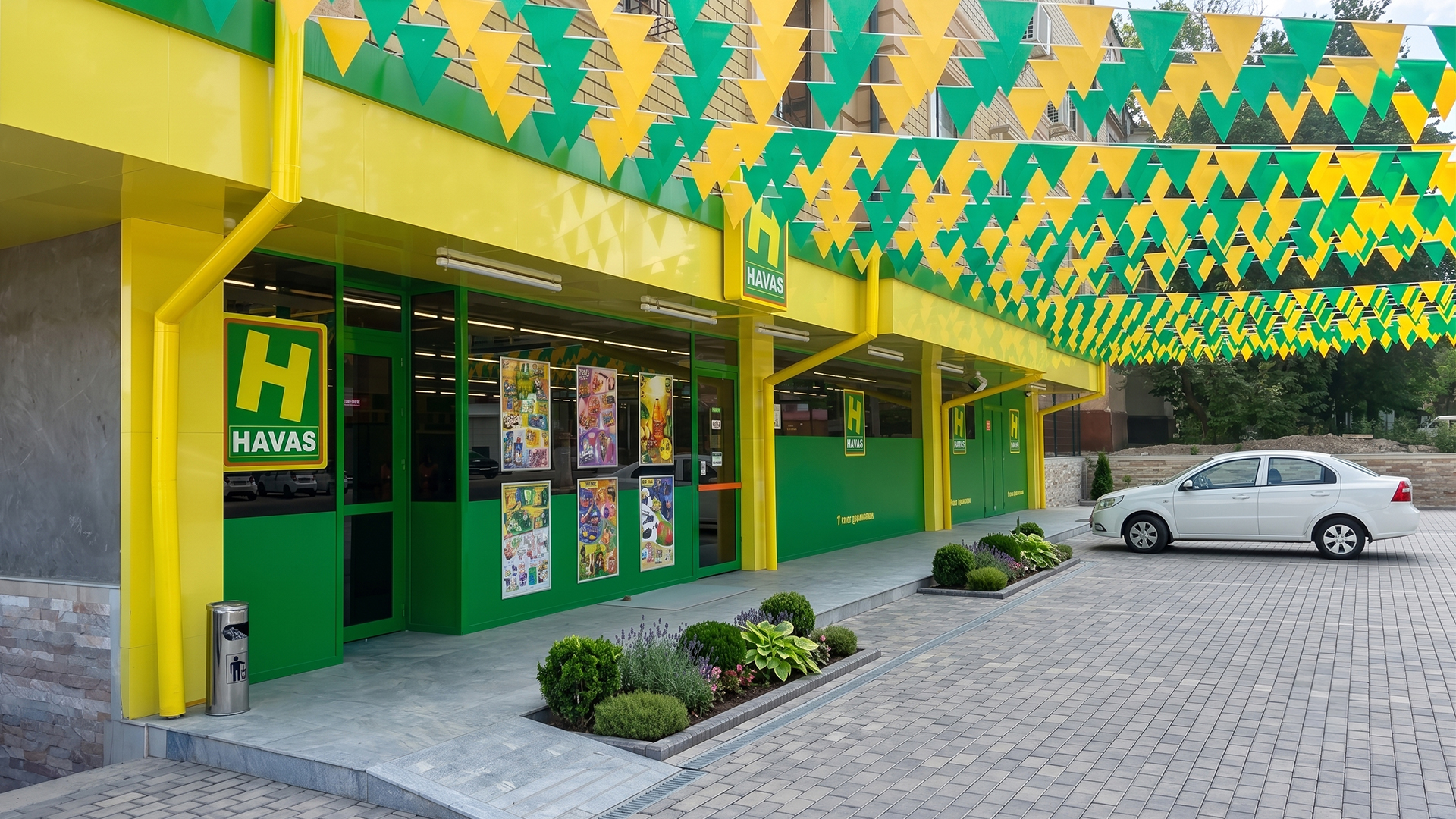
For a long time, the main model for large-scale shopping among Uzbek families remained weekly trips to major hypermarkets or wholesale markets. It was widely believed that buying groceries in bulk over the weekend saved the budget. The growth of the HAVAS chain changed this perception, proving that saving time and money works most effectively right within walking distance.
The focus on the convenience store format clearly demonstrated a shift in the consumer behavior of Uzbeks. Shoppers began to move away from long commutes, hours spent in lines, and the impulsive spending that inevitably occurs in large-area stores. Today's pace of life demands fast, daily purchases close to home.
New Rules for Retail and B2B Partners
For the retail market and B2B partners, this trend has set new rules of the game. While consumers can get lost among hundreds of duplicating items in a classic hypermarket, the carefully selected product matrix at HAVAS focuses only on high-demand, everyday essentials. This approach ensures high turnover for every square meter of shelf space, reduces logistical expenses, and, as a result, keeps retail prices at a minimum.
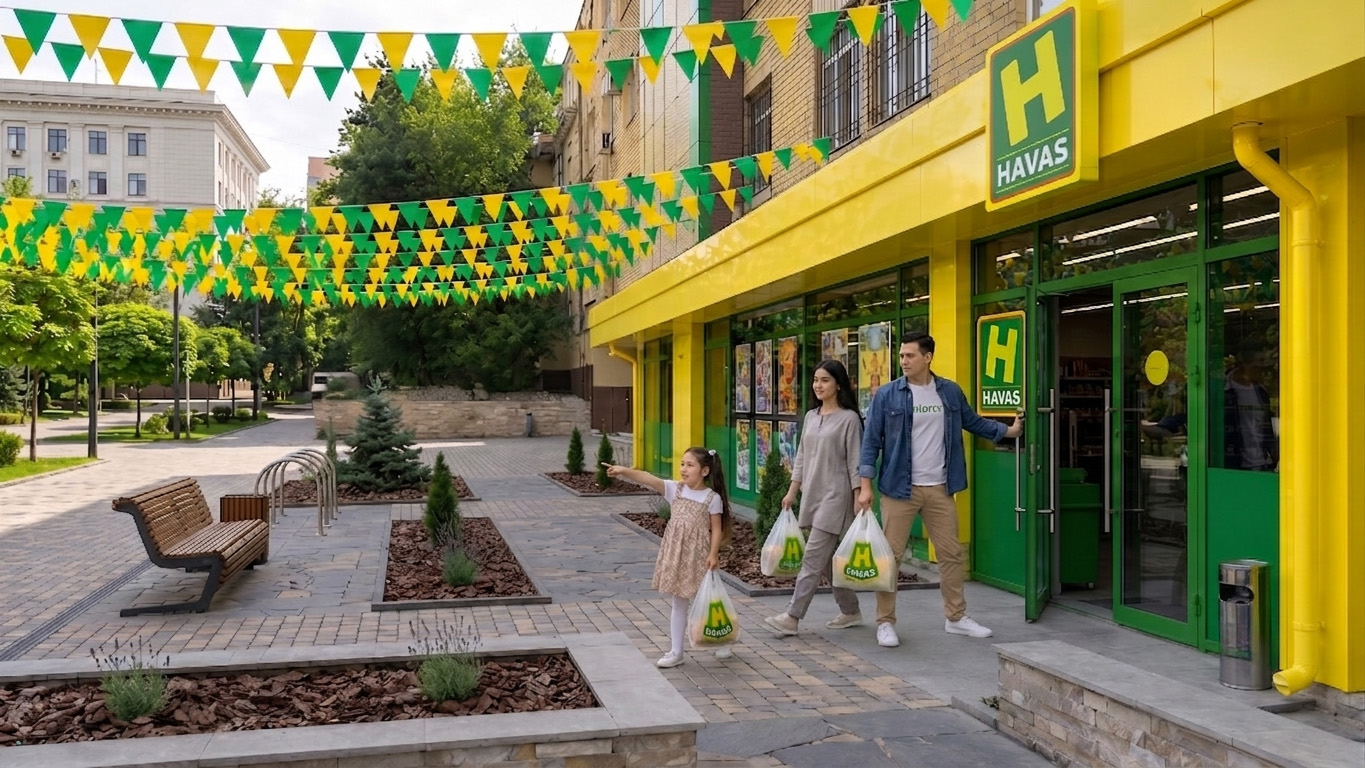
HAVAS has proven that the future of retail in Uzbekistan is measured not by the square footage of shopping floors, but by the frequency of visits and proximity to the consumer.
The convenience store format is not just displacing large, clumsy formats; it is shaping a new culture of smart consumption, where comfort, speed, and value have become an integral part of everyday life.