

The Era of Ecosystems: The Future of FMCG Belongs to Full-Cycle Local Production
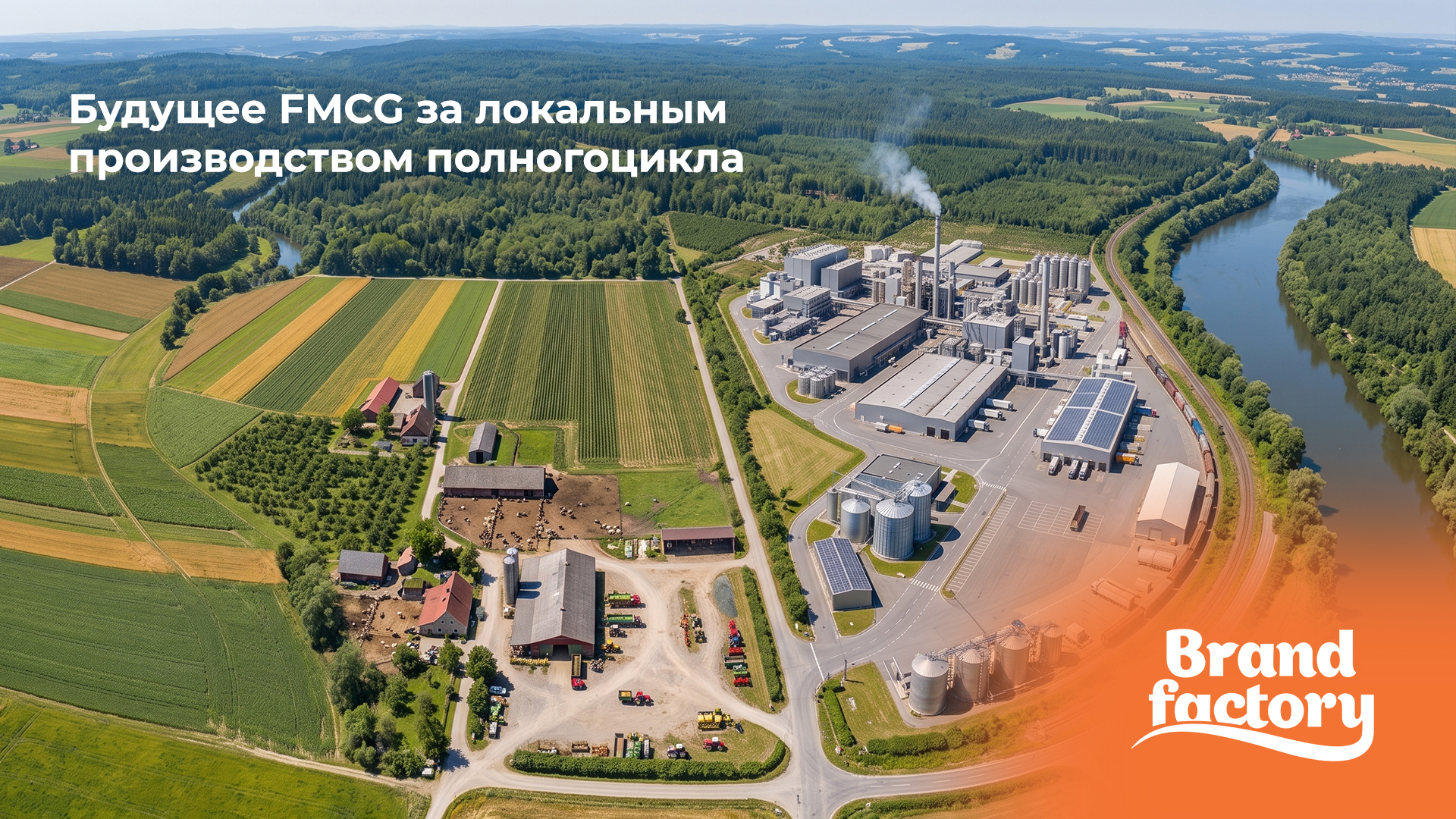
Localization vs. Import Dependency
Traditional reliance on foreign brands makes businesses vulnerable to exchange rate fluctuations and intermediary markups. The Brand Factory model fundamentally alters shelf economics: the company takes charge of the entire process, from formula development to mass production. By eliminating complex logistics and long supply chains, the holding offers consumers a fresh product at a fair price.
The New Product Economics
Moving away from classic imports in favor of an in-house production base has delivered several strategic advantages immediately:
- Stable pricing: Product costs are based on internal processes and remain unaffected by currency fluctuations or customs duties.
- Direct logistics: Products move straight from the assembly line to stores, eliminating the risk of delays.
Uncompromising quality: In-house laboratories and a strict HACCP control system guarantee consistency at international standards.
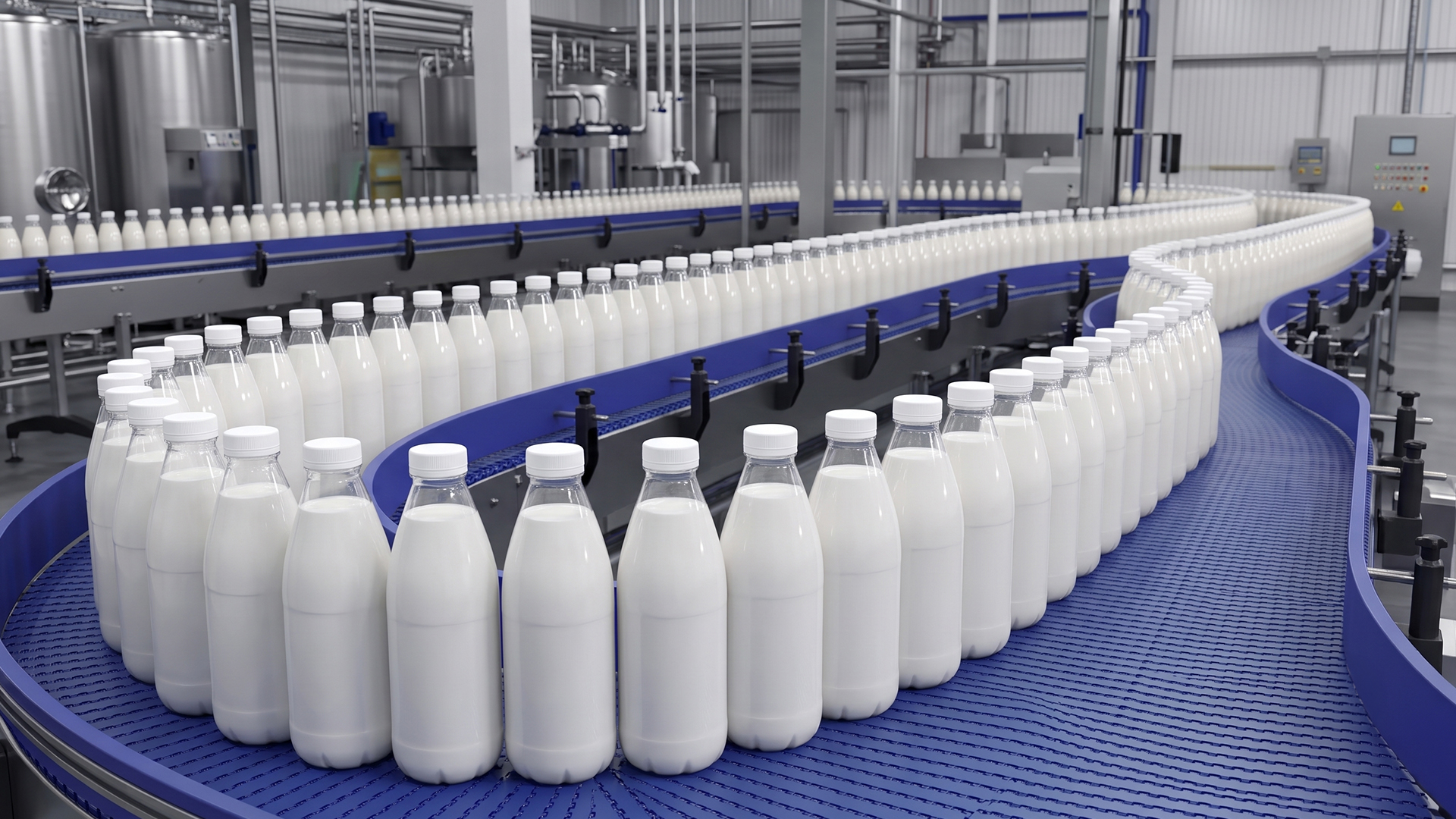
The Scale of the New Reality
The implementation of modern production lines has proven the high competitiveness of local businesses. This strategic success is backed by concrete figures:
- The ecosystem's portfolio features more than 20 private label brands.
- In-house facilities cover basic consumer needs: groceries, rice, pasta, sugar, eggs, and vegetable oil.
- Confident import substitution on store shelves is demonstrated by brands such as Molto Buono pasta, Zolotaya Polyana oil, Alanga rice, and Kundalik Ro'zg'or groceries.
- Direct and rapid access to consumers is secured through over 340 Havas stores and partner networks across Uzbekistan.
By uniting product development, modern technologies, and guaranteed distribution, the market has secured a mass-market, high-quality product that is entirely independent of external shocks.